ASEAN Supply Chain Diversification Drives New Manufacturing Investments into Indonesia
04 June 2026 | . admin-artha
04 June 2026 | . admin-artha

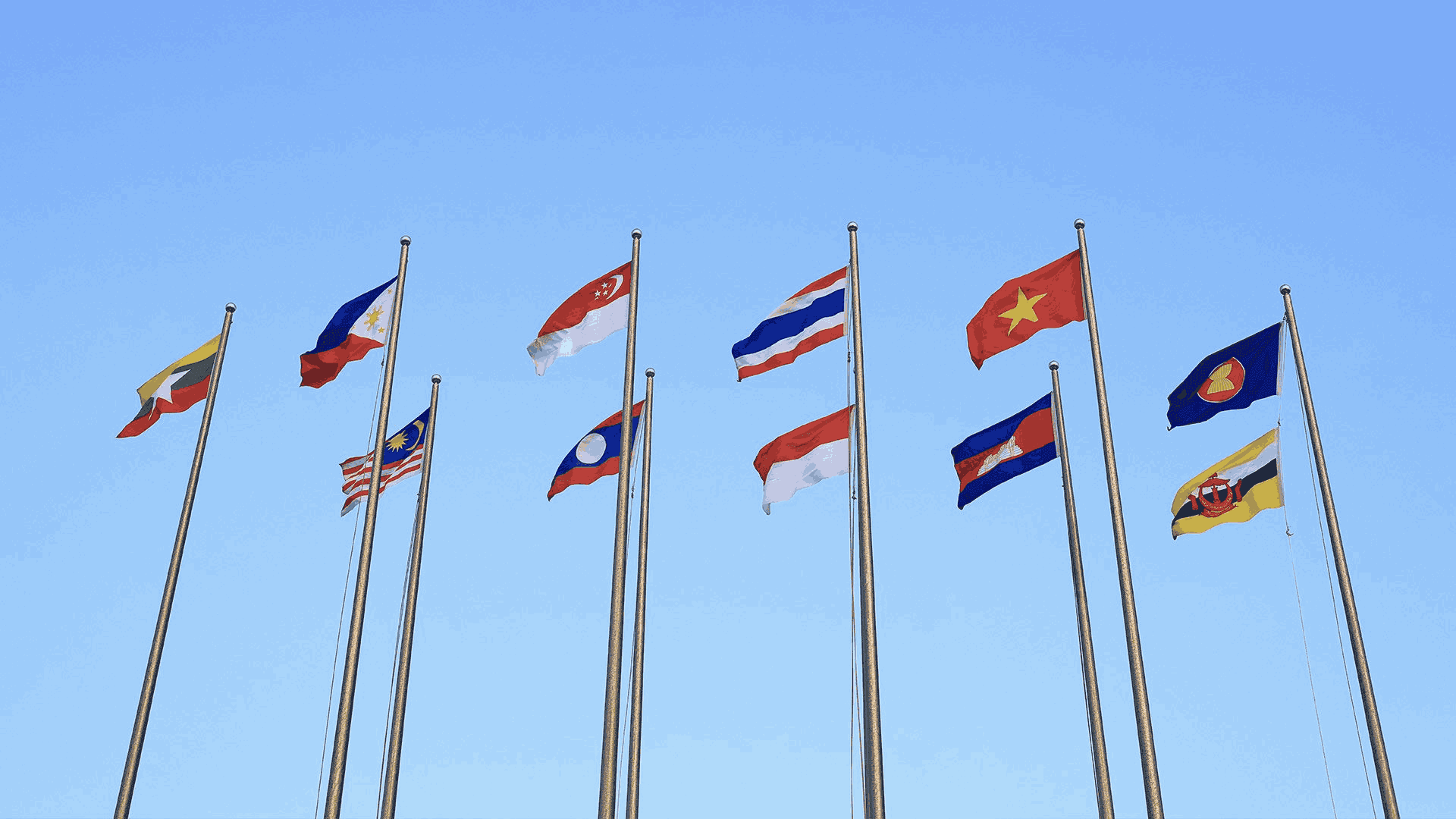
As global supply chains continue to evolve, Southeast Asia is emerging as one of the world’s most attractive destinations for manufacturing investment. Driven by geopolitical shifts, changing trade dynamics, and the growing need for supply chain resilience, multinational companies are increasingly adopting diversification strategies that reduce dependence on a single production base. This trend has accelerated investment flows into ASEAN, positioning the region as a key manufacturing hub for the global economy.
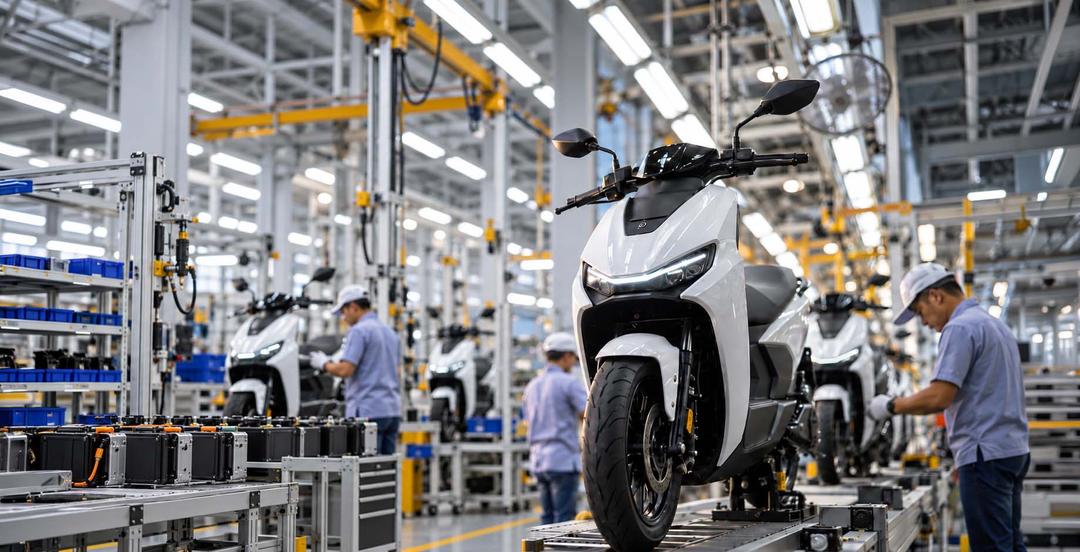
Indonesia has emerged as a strategic investment destination within this transformation. With its large domestic market, strategic geographic location, abundant workforce, and ongoing infrastructure development, Indonesia continues to attract manufacturers seeking to establish or expand operations within Southeast Asia. As the largest economy in ASEAN, Indonesia offers access to both a substantial domestic market and regional export opportunities. Industries such as automotive, electric vehicles (EVs), batteries, electronics, semiconductors, industrial machinery, and consumer goods are contributing to a new wave of industrial investment across the country.
Government initiatives focused on industrial development, downstream processing, infrastructure expansion, and investment facilitation have further strengthened investor confidence. The development of transportation networks, industrial estates, seaports, and energy infrastructure continues to improve the country’s competitiveness as a manufacturing destination. The rapid growth of strategic industries such as electric vehicle batteries, renewable energy components, data centers, and advanced manufacturing has also contributed to increasing demand for industrial land and industrial infrastructure. Global companies are actively seeking locations that can support long-term expansion while providing reliable utilities, transportation access, and operational support.
ASEAN’s Growing Role in Global Manufacturing
Over the past few years, global companies have reassessed their supply chain strategies to improve operational resilience and mitigate risks associated with concentrated production networks. As a result, many manufacturers are expanding their footprint across multiple ASEAN countries, creating a more diversified and interconnected regional manufacturing ecosystem.
According to the ASEAN Investment Report, manufacturing remains one of the largest recipients of foreign direct investment (FDI) in the region. Investment activity continues to be driven by industries that require strong supply chain integration, including automotive production, electronics manufacturing, renewable energy technologies, industrial components, and advanced manufacturing.
ASEAN’s attractiveness is further strengthened by its population of more than 680 million people, growing middle class, expanding consumer market, and increasing economic integration among member states. Regional initiatives aimed at improving trade facilitation, customs efficiency, logistics connectivity, and investment cooperation are helping create a more competitive business environment for international manufacturers.
Industrial Estates Play a Critical Role in Supply Chain Growth
As manufacturers expand their ASEAN operations, industrial estates have become essential enablers of investment. Modern industrial parks provide ready-to-build land, integrated infrastructure, utility services, and streamlined support systems that help companies accelerate project implementation and reduce operational risks.
Investors increasingly prioritize locations that offer reliable power supply, water availability, telecommunications connectivity, logistics accessibility, and proximity to major transportation corridors. Industrial estates that can provide a comprehensive industrial ecosystem are better positioned to support the evolving needs of global manufacturers and supply chain operators.
The growing emphasis on supply chain resilience has also increased demand for industrial locations capable of supporting diverse industries, ranging from automotive and electronics to logistics, technology, and renewable energy sectors.
Opportunities for Future Industrial Growth
The continued diversification of global supply chains is expected to generate long-term opportunities across Southeast Asia. As companies seek to establish more resilient and geographically balanced production networks, countries with strong industrial ecosystems and supportive investment environments will remain attractive destinations for new projects.
Indonesia’s strategic location, improving infrastructure, and expanding industrial base position the country to capture a significant share of future manufacturing investment. This trend is expected to contribute to job creation, technology transfer, export growth, and economic development in the years ahead.
For industrial estates such as Karawang Artha Industrial Hill (KAIH), the ongoing shift in global supply chains highlights the importance of providing world-class infrastructure, strategic connectivity, and integrated support services that enable manufacturers to establish and scale operations efficiently. As ASEAN continues to strengthen its role within the global manufacturing landscape, industrial hubs that offer accessibility, reliability, and long-term growth potential will play an increasingly important role in supporting the next generation of industrial investment.
KAIH Supports Global Companies Expanding Across ASEAN
As global manufacturers continue to diversify their supply chains and expand production capacity throughout Southeast Asia, selecting the right industrial location has become a critical factor for long-term success. Investors increasingly seek industrial ecosystems that provide reliable infrastructure, efficient connectivity, regulatory support, and operational readiness.
Karawang Artha Industrial Hill is strategically positioned to support these expansion plans. Located within Indonesia’s premier manufacturing corridor in West Karawang, KAIH offers direct access to major transportation networks, including the Jakarta–Cikampek Toll Road (KM 47 & Future KM 42), Patimban Seaport, Tanjung Priok Seaport, Soekarno-Hatta International Airport, and Halim Perdanakusuma Airport. This connectivity enables manufacturers to manage both domestic distribution and international export activities efficiently.
To further assist the investment process, KAIH offers 1ADAPT (Artha Desk Advisory for Preferred Tenant). This one-stop service platform assists investors throughout every stage of development, from land acquisition, licensing, construction preparation, utility connections, and operational readiness. This integrated approach helps companies reduce project timelines and establish operations more efficiently