Energy Planning for Manufacturers: What the Darajat Geothermal Upgrade Means
22 October 2026 | . admin-artha
22 October 2026 | . admin-artha

What happened at Darajat Unit 3
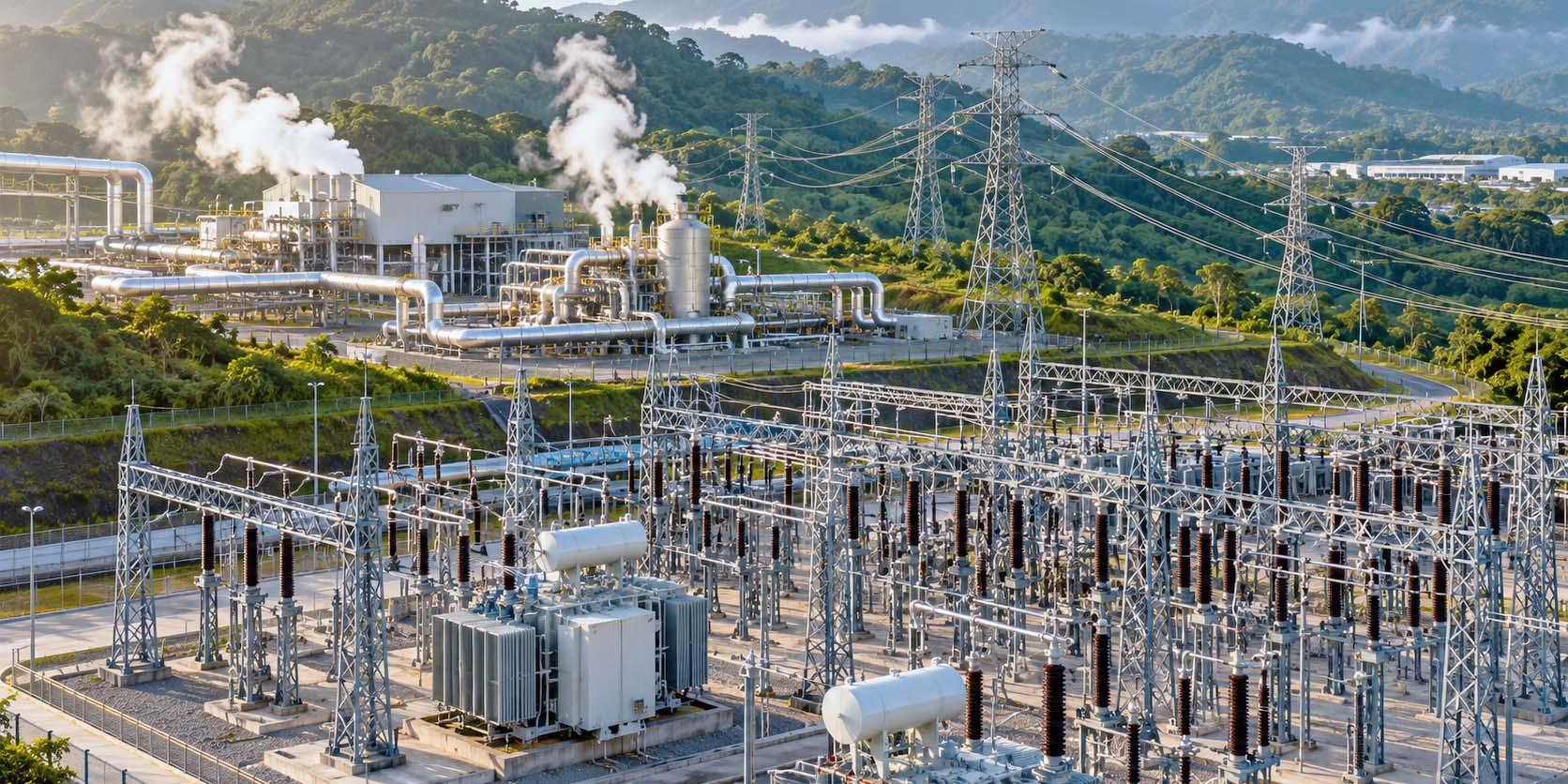
On October 20, 2026, Mitsubishi Power announced that it had completed the retrofit of Unit 3 at the Darajat Geothermal Power Plant in Garut, West Java, and that the unit has started commercial operation. Output rose by 8 megawatts (MW), from 121 MW to 129 MW, which Mitsubishi Power says makes it the largest single-unit geothermal generating unit in Indonesia.
The plant is owned by Star Energy Geothermal Darajat II. Alongside the completion, Mitsubishi Power and Star Energy Geothermal signed a technical study and cooperation agreement to begin discussions on newer maintenance technologies that could raise steam turbine output and improve the plant’s reliability and availability.
Why energy supply matters to industry
Factories run on electricity, so changes in generating capacity are relevant to industry. Darajat also shows that output can grow by modernizing equipment already in service. One retrofit does not answer any individual factory’s power question, but it brings energy supply back into focus for companies planning a new plant or an expansion.
What changes for manufacturers
The practical change is in when energy gets discussed. Production machinery, automation systems, cooling equipment and supporting facilities all need electricity suited to how they operate. If supply is interrupted or capacity falls short, production schedules slip, and so can delivery commitments. Energy should therefore be assessed at the start of an expansion project, not later.
What a manufacturer needs to plan
Before committing to a site, a manufacturer needs to work out:
- Its initial power demand
- How much more power it will need as production grows
- Whether the electricity connection will be ready on the same timeline as factory construction and commissioning
- The power quality, service specifications and backup requirements of each production process
Settling these points early lets a company match its spending on machinery and facilities to the infrastructure that will support them.
Why the industrial estate matters
These needs reach beyond the factory itself. The industrial estate a company chooses affects how easily it can answer them. A good estate gives clear information about its utilities and coordinates technically with tenants while they prepare. Electricity should also not be judged alone: water supply, wastewater treatment, road access and telecommunications need to be evaluated alongside it so that operations can be planned as a whole.
Power and utilities at KAIH
Karawang Artha Industrial Hill (KAIH) is an integrated industrial estate in West Karawang, West Java. It lists PLN electricity supply with premium service and assists tenants in arranging their electricity connections. Its supporting infrastructure also includes a Water Treatment Plant (WTP), a Wastewater Treatment Plant (WWTP), gas infrastructure, telecommunications and estate roads.
For a prospective tenant, these are a starting point for discussing how specific operational requirements can be met. Companies planning a new factory or an expansion can talk to estate management early to clarify utility capacity, technical specifications and the steps needed to prepare for operations.
The takeaway for manufacturers
The Darajat upgrade shows that capacity can still be added to existing plants. For an individual manufacturer, what matters is a location whose utility support matches both current requirements and future growth.
Planning energy from the outset gives a factory a firmer base for reliable operations and later expansion.