From Investment Commitment to Industrial Execution
29 September 2026 | . admin-artha
29 September 2026 | . admin-artha

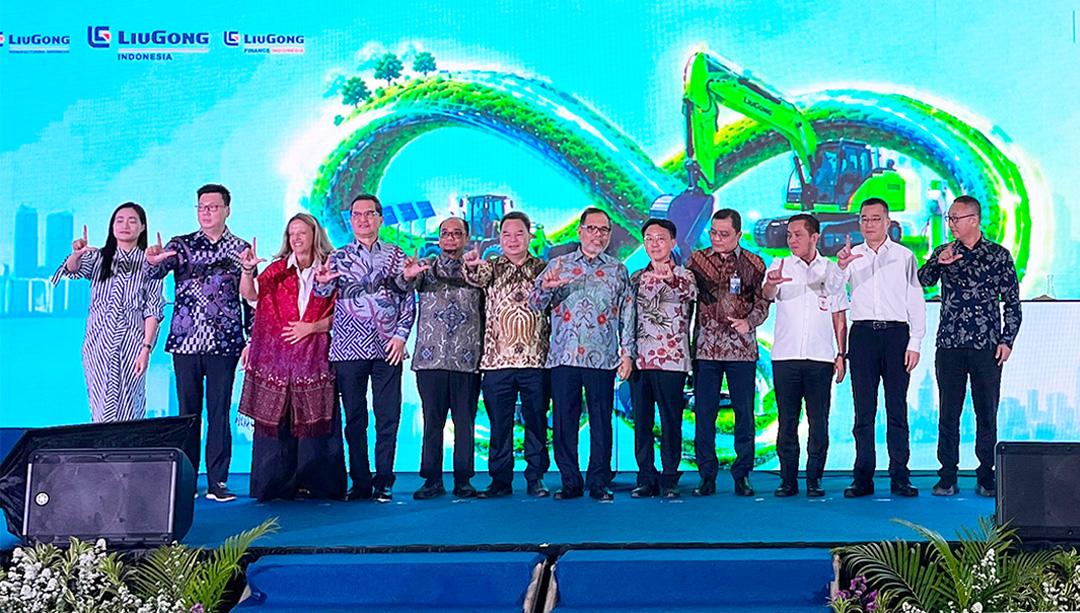
Indonesia and China are continuing to deepen industrial cooperation. The latest China–Indonesia “Two Countries Twin Parks” (TCTP) Investment Promotion Conference put fresh attention on investment, industrial connectivity, supply chains, and technology cooperation.
Held in Xiamen as part of the 26th China International Fair for Investment and Trade (CIFIT) 2026, the conference produced new business commitments worth around RMB19.4 billion, or approximately Rp51 trillion. Combined with agreements signed earlier under the TCTP framework, total business commitments have reached around Rp88.1 trillion. These figures reflect commitments under signed agreements, not realized investment.
But the value of the agreements is only one part of the story. For companies planning to establish manufacturing operations, the more practical question comes after an agreement is signed: how quickly can an investment move from planning into execution?
The Real Work Starts After the Agreement
The Indonesian government made the same point at the conference: investment commitments still need to be followed through until they become concrete projects.
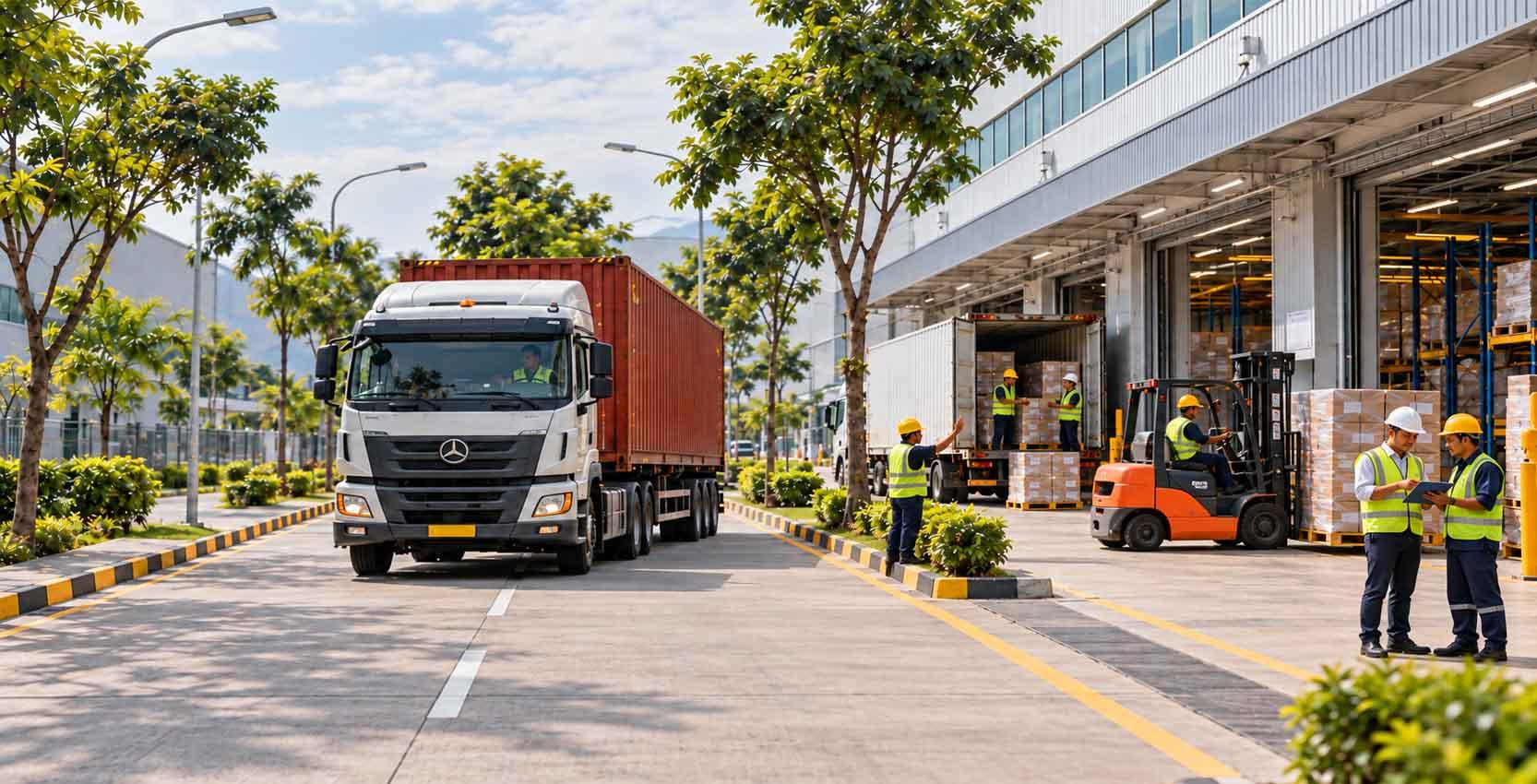
That process involves more than capital. Investors need to coordinate industrial land, licensing, utilities, construction preparation, workforce requirements, suppliers, logistics, and operational timelines before production can begin. When several of these processes depend on different institutions and service providers, that makes execution just as important as the investment decision itself.
That’s part of why industrial cooperation between Indonesia and China is increasingly discussed beyond investment value alone. The TCTP framework is also meant to strengthen industrial connectivity, supply-chain integration, technology transfer, value creation, and employment, according to Indonesia’s Coordinating Ministry for Economic Affairs.
Industrial Connectivity Matters More as Supply Chains Grow
Manufacturing facilities rarely operate independently. As production grows, companies become more connected to component suppliers, logistics providers, technical services, customers, and other manufacturers. For international investors, those relationships can matter even more when entering a new market.
The TCTP framework is built around that idea: it aims to link industrial development between the two countries and create more opportunities for companies, industrial-estate operators, and government institutions to work together. Business matching was part of the Xiamen conference too, bringing Indonesian and Chinese stakeholders into direct discussions on potential projects.
For manufacturers, this means the quality of an industrial location depends increasingly on what exists around the factory itself. Reliable infrastructure, utilities, connectivity, supporting businesses, and access to an established industrial ecosystem all affect how smoothly a new operation gets started, and how easily it can expand later.
Turning Investment Into Operations Requires Coordination
One of the clearest messages from the conference was the need for continued facilitation after agreements are signed. The government said it would keep coordinating communication between investors, industrial-estate operators, and relevant ministries or institutions, so investment obstacles can be addressed faster and more consistently.
That matters because establishing a manufacturing facility involves many moving parts at once. A company may be preparing construction while arranging utilities, processing permits, planning logistics, and building its local supply network. The more coordinated those processes are, the easier it becomes for an investor to move toward actual operations.
Where KAIH Fits In
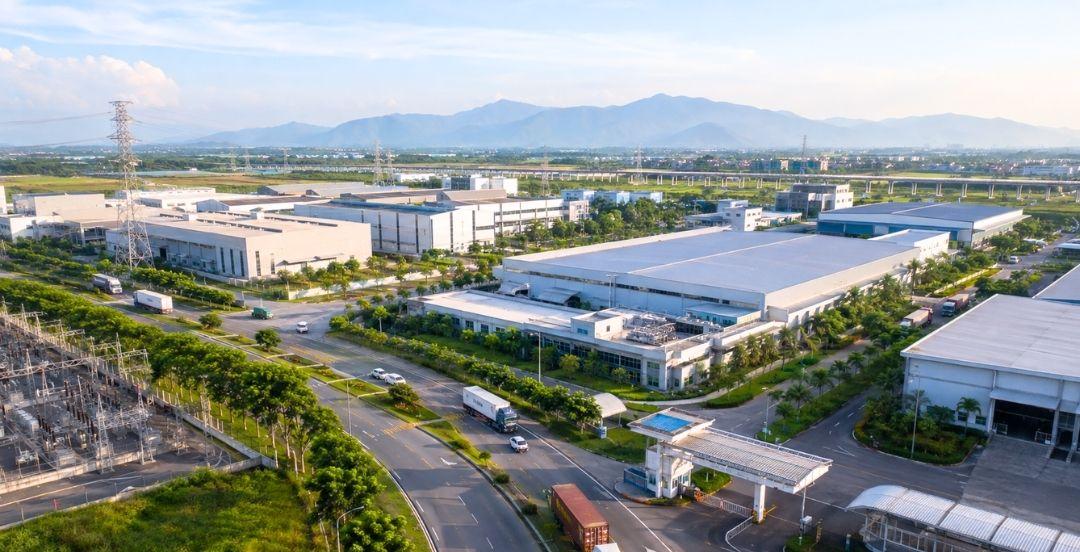
This is where the industrial environment becomes important. At Karawang Artha Industrial Hill (KAIH), infrastructure, utilities, connectivity, and access to a wider manufacturing ecosystem in West Karawang come together to give tenants a foundation for establishing and growing their operations.
Through 1ADAPT, tenants can also get support coordinating requirements such as utilities, licensing, construction preparation, and other operational needs during setup. That addresses the same practical challenge highlighted at the conference: helping investment plans move into actual operations.
Large investment commitments can signal confidence and open new opportunities, but their longer-term impact depends on what happens after the agreements are signed. For manufacturers and investors, the real measure of an industrial environment isn’t simply how much investment it can attract. It’s how effectively it can help turn investment plans into operating businesses.
Source: Coordinating Ministry for Economic Affairs of the Republic of Indonesia, “Indonesia dan Tiongkok Perkuat Kerja Sama Investasi melalui China–Indonesia ‘Two Countries Twin Parks’ Investment Promotion Conference,” 16 September 2026.